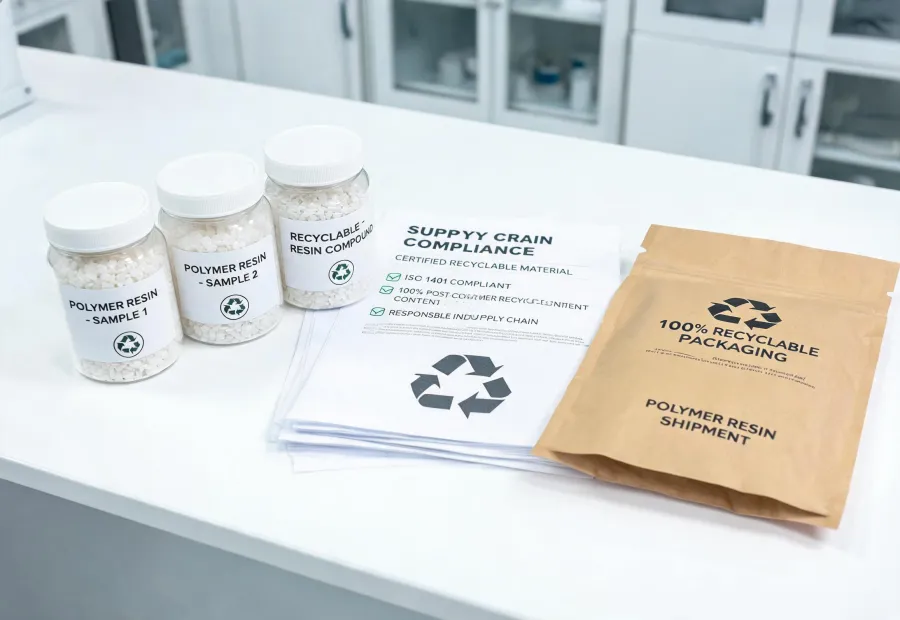
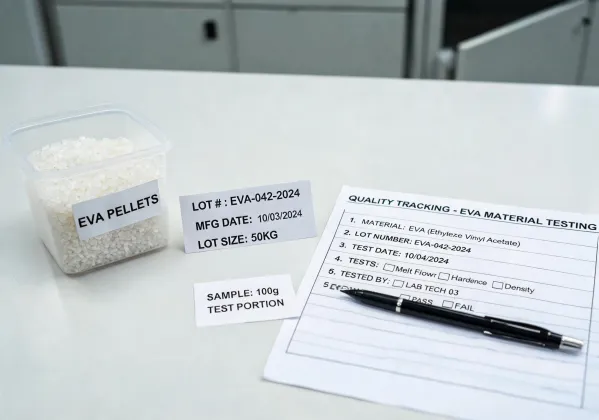
Why responsible resin support is mostly a discipline problem.
Many sustainability risks in polymer sourcing begin as communication gaps. A buyer may ask for a resin family, but the real program may also require REACH or RoHS declarations, food-contact statements, controlled additives, recycled-content discussions, packaging reduction targets, or a documented path for future grade changes. If those expectations arrive after a price has been issued, the project slows down and internal confidence drops.
Hanwha treats sustainability as a set of practical checkpoints: what the material is, how it will be processed, which documents are required, what packaging and shipment assumptions apply, and which approvals must be protected over time.
This approach does not turn every resin program into a marketing claim. It gives procurement, engineering, and compliance teams a shared record of the questions that influence responsible purchasing. For EVA and polymer compound buyers, that can mean discussing scrap during trials, reviewing whether a lower processing temperature is realistic, planning consolidated shipments, or keeping document refreshes aligned with customer audit calendars. The result is steadier decision-making, especially when a program serves packaging, foam, wire and cable, or durable industrial goods.